Looking to add a vibrant, edible, and low-maintenance plant to your garden? Meet cranberry hibiscus—a standout native to Africa that thrives in subtropical conditions. Whether you’re a fan of ornamental beauty or nutritious edibles, this fast-growing shrub ticks all the boxes.
What is Cranberry Hibiscus?
Cranberry hibiscus (Hibiscus acetosella) is thought to be a hybrid of two wild species, though its exact origin remains a mystery. Acting as a short-lived perennial in tropical and subtropical regions or an annual in cooler climates, this striking plant can reach up to 2 meters tall in no time. Its maple-like leaves, in shades of rich red and purple, steal the show, while its miniature hibiscus-like pink flowers add an extra layer of charm.
Why Grow Cranberry Hibiscus?
This hardy plant loves warm, wet climates—making it perfect for humid, subtropical gardens. Its quick growth and manageable size make it ideal for food forests, ornamental beds, or even container gardening. Plus, its vivid foliage provides a stunning contrast to other plants, making it a go-to choice for visual interest.
Culinary Uses
The leaves of cranberry hibiscus aren’t just for show—they’re packed with nutrition. Rich in antioxidants, anthocyanins, protein, and vitamins like A, C, and B3, the young leaves are pleasantly tart and can be enjoyed raw or cooked. A few leaves in a salad or stir-fry add a tangy twist, but keep portions small due to their oxalic acid content.
The flowers and leaves also make a colorful addition to teas. In Central America, the flowers are used to create a refreshing drink by mixing them with ice, sugar, citrus juice, and water—think of it as nature’s pink lemonade.
Growing Cranberry Hibiscus
This plant thrives in full sun, with plenty of water and rich, well-drained soil. However, it’s surprisingly adaptable, managing well in partial shade, clay soils, and even pots. In sunnier spots, the leaves take on a deeper purple hue, while shade-grown plants display a green-purple mix.
In cooler climates, cranberry hibiscus acts as an annual and may need to be started indoors or grown in greenhouses. Frosts are its biggest enemy, so protection is a must in temperate zones.
Starting Cranberry Hibiscus
Propagation couldn’t be easier. Take a 15 cm cutting, plant it in moist, well-draining soil, and keep it in a warm, shaded spot. Within weeks, you’ll have a thriving new plant. For best results, propagate during warmer months when soil temperatures encourage growth.
Care Tips
Cranberry hibiscus is a forgiving plant. While occasional fertilizer boosts can help, too much nitrogen will prioritize foliage over flowers. Water it regularly, but don’t worry if you miss a day or two—this plant is as resilient as it is beautiful.
Prune it often to maintain a compact shape and encourage new growth. Left unchecked, it can become leggy, but regular trimming keeps it lush and healthy.
Why Add Cranberry Hibiscus to Your Garden?
Whether you’re designing a food forest, filling an ornamental bed, or simply want a versatile plant with stunning foliage and edible benefits, cranberry hibiscus is a winning choice. Its ability to establish quickly, thrive with minimal care, and offer both beauty and utility makes it a favorite for gardeners of all skill levels.
Looking for a low-maintenance, high-impact addition to your garden? Try cranberry hibiscus—you won’t be disappointed!
Grow Beautiful Flowers to Attract Pollinators and Boost Your Garden’s Health A thriving garden isn’t just about vegetables, fruits, or lush greenery. It’s about creating an ecosystem that supports life—and pollinators are at the heart of it all. Bees, butterflies, hummingbirds, and other pollinators ensure that plants reproduce, making them essential for any flourishing garden. […]
Growing Beans for Their Flowers: A Beautiful and Functional Addition to Your Garden Beans are traditionally cultivated for their nutritious pods or seeds, but their ornamental value is often overlooked. The flowers of many bean varieties offer vibrant colors, unique shapes, and pollinator-friendly benefits that make them a standout addition to any garden. Whether you’re […]
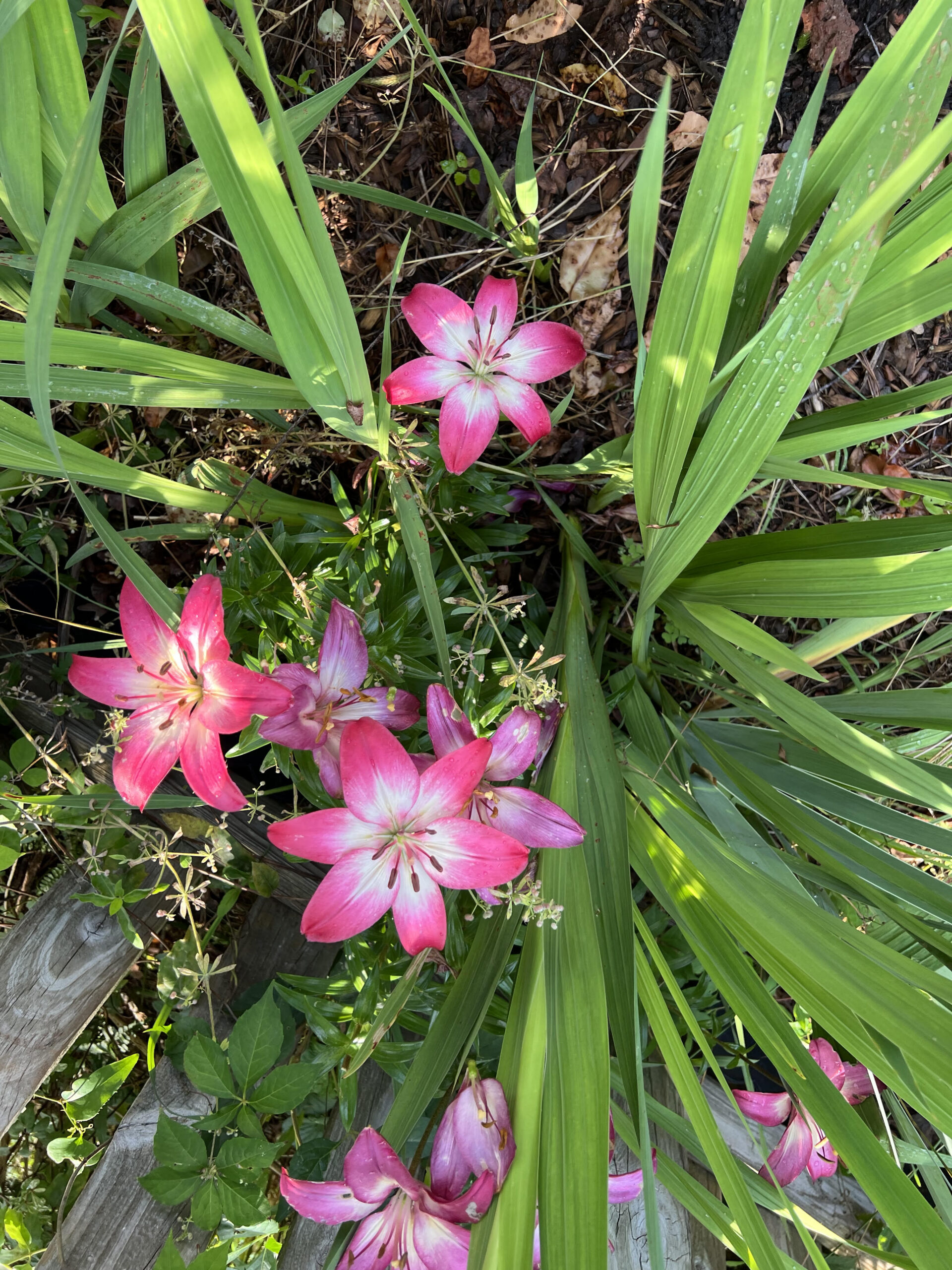
Growing Lily Flowers in Your Garden Lilies are among the most elegant and versatile flowers you can grow in your garden. With their vibrant colors and striking shapes, they add a touch of sophistication to any outdoor space. Whether you’re a seasoned gardener or a beginner, cultivating lilies can be both rewarding and enjoyable. Here’s […]
How to Grow Russian Kale in Your Garden Russian kale, with its frilly edges and tender leaves, is a cold-hardy vegetable that belongs in every home garden. This versatile leafy green thrives in various conditions, offers excellent nutritional value, and is relatively easy to grow. Whether you’re an experienced gardener or a beginner, Russian kale […]
Using Cages to Help Grow Tomatoes in the Garden Tomato plants are a favorite for gardeners, but they require proper support to thrive, especially as they grow larger and begin to produce heavy fruit. One of the simplest and most effective methods of support is using tomato cages. These structures not only help the plant […]
Onion Flowers: What They Are and Their Benefits for Seed Production Onions (Allium cepa) are a staple in gardens and kitchens worldwide. While most gardeners grow onions for their bulbs, the flowers these plants produce are equally fascinating and beneficial for seed production. Understanding onion flowers and their role in seed harvesting can add a […]
Tomatoes are one of the most popular crops for home gardeners, celebrated for their vibrant flavors and versatility. However, growing nutrient-rich, flavorful tomatoes requires careful attention to their nutritional needs. This guide explores the best practices for adding nutrients to tomato plants, helping you achieve a bountiful harvest Understanding Tomato Nutritional Needs omatoes are heavy […]