How to Grow Russian Kale in Your Garden
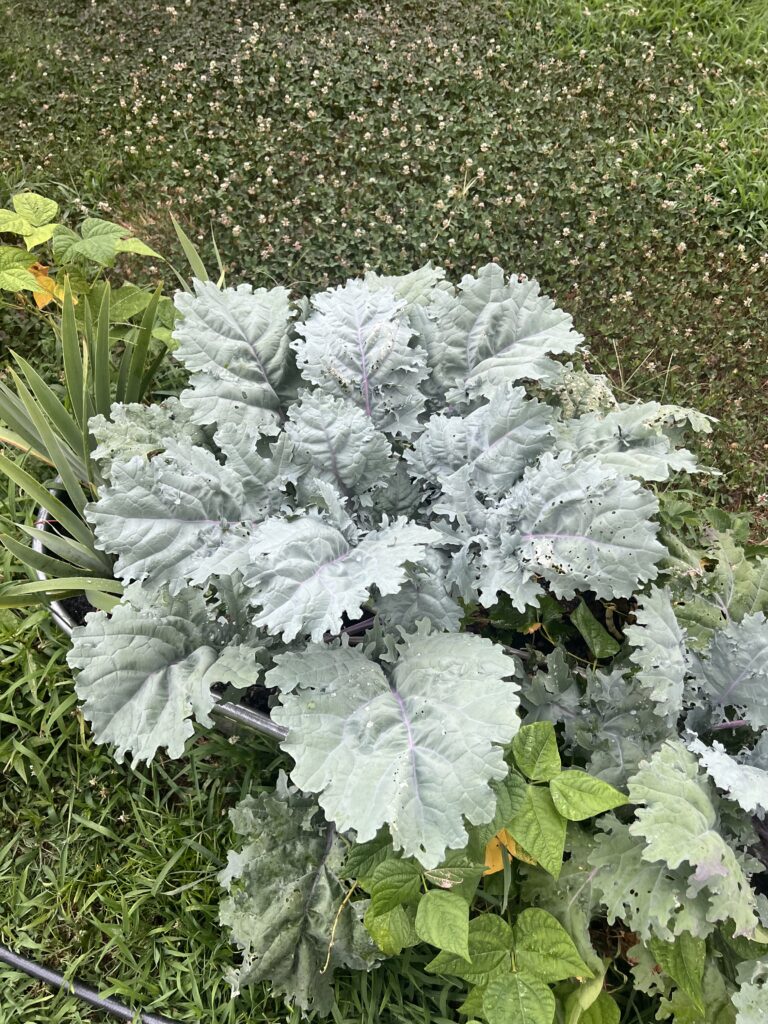
Russian kale, with its frilly edges and tender leaves, is a cold-hardy vegetable that belongs in every home garden. This versatile leafy green thrives in various conditions, offers excellent nutritional value, and is relatively easy to grow. Whether you’re an experienced gardener or a beginner, Russian kale is a rewarding addition to your garden.
Why Grow Russian Kale?
Russian kale is not only a nutritious superfood but also a low-maintenance crop. Its leaves are rich in vitamins A, C, and K, as well as calcium and antioxidants. Compared to other varieties like curly or Tuscan kale, Russian kale tends to have a milder flavor and a slightly sweeter taste, making it ideal for raw salads or sautéed dishes.
In the garden, Russian kale stands out for its:
- Cold tolerance: It can survive frost and even snow, becoming sweeter after exposure to cold temperatures.
- Pest resistance: While it can attract common brassica pests, it’s less prone to damage compared to other vegetables.
- Longevity: It can produce harvestable leaves throughout its growing season, often lasting into late fall or early winter.
Planting Russian Kale
Choosing the Right Location
Russian kale thrives in full sun to partial shade. Select a spot with well-draining, nutrient-rich soil. For best results, aim for a soil pH between 6.0 and 7.5.
When to Plant
- Spring planting: Sow seeds directly in the garden 2-4 weeks before the last expected frost.
- Fall planting: Start seeds 6-8 weeks before the first expected frost for a late-season crop.
How to Plant
- Direct Sowing: Plant seeds ¼ to ½ inch deep and 1 inch apart in rows. Thin seedlings to 8-12 inches apart once they emerge.
- Transplanting: If starting indoors, sow seeds in trays 4-6 weeks before transplanting. Harden off seedlings before moving them outdoors.
Caring for Russian Kale
Watering
Kale prefers consistent moisture, about 1-1.5 inches of water per week. Mulching around the base can help retain soil moisture and regulate temperature.
Fertilizing
Use a balanced fertilizer or compost to feed plants every 4-6 weeks. Over-fertilization may lead to excessive leaf growth at the expense of flavor.
Pest Management
Common pests include aphids, cabbage loopers, and flea beetles. Encourage beneficial insects like ladybugs and lacewings or use floating row covers to protect plants. Hand-picking pests and applying neem oil can also help manage infestations naturally.
Harvesting and Storage
Russian kale leaves are ready to harvest about 50-65 days after planting. Harvest leaves when they’re young and tender for the best flavor. Use a sharp knife or scissors to cut the outer leaves, leaving the central growth intact for continuous harvests.
Store harvested kale in a plastic bag in the refrigerator, where it will stay fresh for up to a week. For longer storage, blanch the leaves and freeze them.
Companion Planting Tips
Russian kale grows well alongside:
- Herbs: Dill and cilantro can help repel pests.
- Vegetables: Onions, garlic, and beets make great companions, as they don’t compete for the same nutrients.
- Flowers: Marigolds and nasturtiums attract beneficial insects and deter pests.
Conclusion
Russian kale is an excellent choice for gardeners looking to grow a nutritious and hardy vegetable. Its adaptability, coupled with its ease of care, makes it an ideal crop for both small backyard gardens and larger plots. By following these simple tips, you can enjoy a bountiful harvest of delicious and healthy Russian kale.