Growing Beans for Their Flowers: A Beautiful and Functional Addition to Your Garden
Beans are traditionally cultivated for their nutritious pods or seeds, but their ornamental value is often overlooked. The flowers of many bean varieties offer vibrant colors, unique shapes, and pollinator-friendly benefits that make them a standout addition to any garden. Whether you’re a seasoned gardener or just starting out, growing beans for their flowers can add beauty and ecological value to your outdoor space.
Why Grow Beans for Their Flowers?
- Aesthetic Appeal
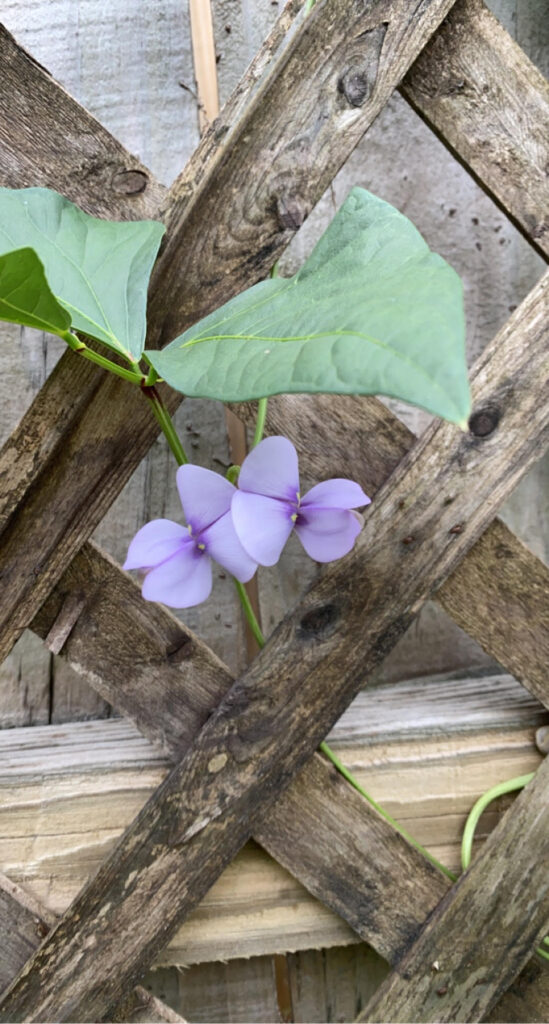
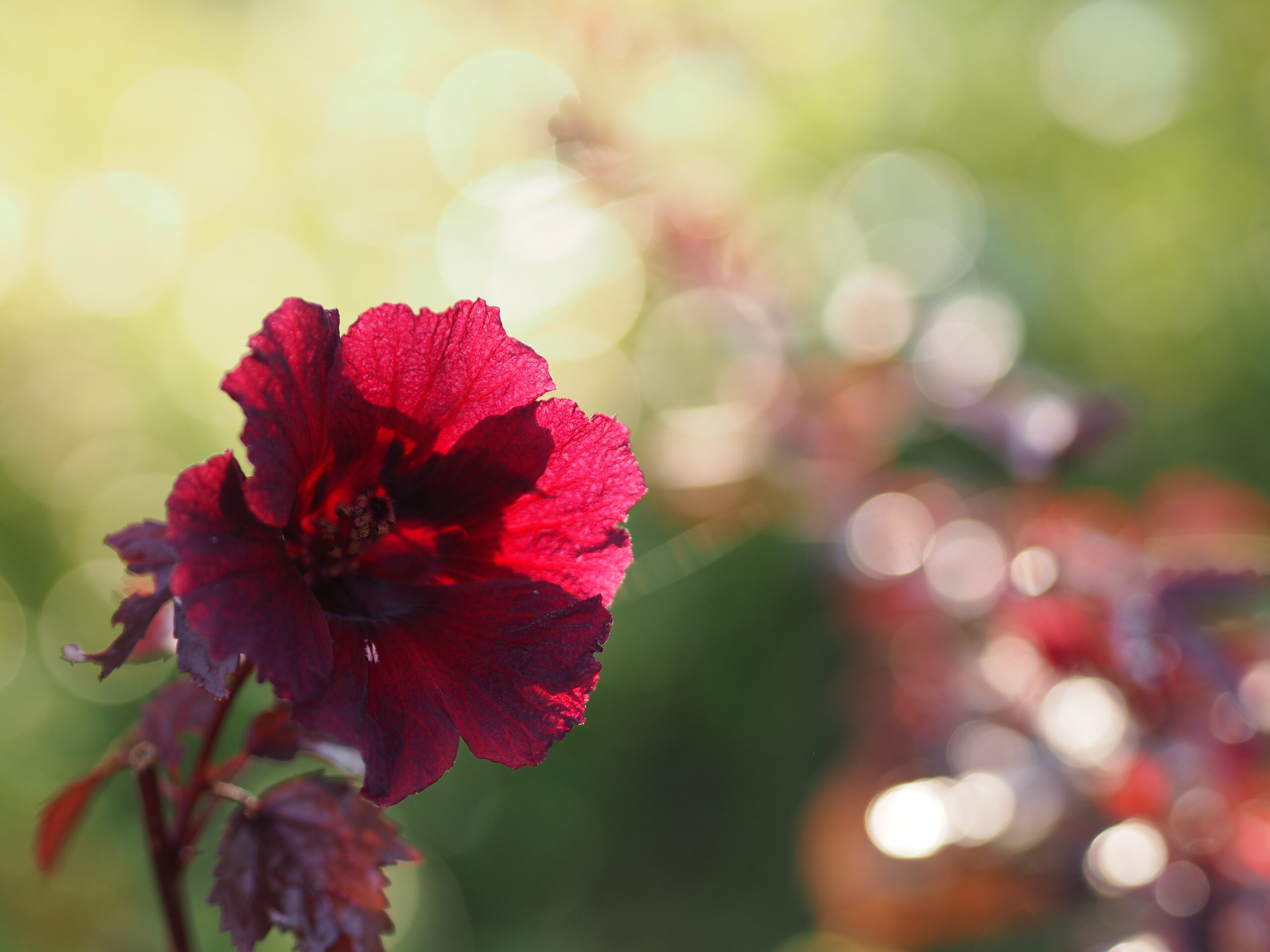
Many bean varieties produce stunning flowers that rival the blooms of ornamental plants. Scarlet runner beans (Phaseolus coccineus), for example, feature vivid red blossoms that attract hummingbirds, while hyacinth beans (Lablab purpureus) showcase purple flowers that pair beautifully with their dark foliage.
- Pollinator Magnet
Bean flowers are rich in nectar and attract a wide variety of pollinators, including bees, butterflies, and hummingbirds. These pollinators not only enhance your garden’s biodiversity but also improve the productivity of other flowering and fruiting plants.
- Low Maintenance
Beans are relatively easy to grow, requiring minimal care once established. As a bonus, they improve soil health by fixing nitrogen, benefiting the surrounding plants.
Best Bean Varieties for Ornamental Flowers
- Scarlet Runner Beans
With their bright red blooms, these beans climb trellises and arbors, creating a stunning vertical display.
- Hyacinth Beans
Known for their striking purple flowers and pods, hyacinth beans are a dual-purpose plant that is both ornamental and edible (if prepared properly).
- Yardlong Beans (Vigna unguiculata subsp. sesquipedalis)
Though known for their long pods, the delicate white or light-purple flowers are equally charming and a great addition to trellised garden designs.
- Black-Eyed Peas (Vigna unguiculata)
While commonly grown for their edible seeds, the flowers of black-eyed peas are simple yet elegant, often pale pink or lavender in color.
How to Grow Beans for Their Flowers
- Choose the Right Location
Plant beans in a sunny spot with well-drained soil. They thrive in areas that receive at least six hours of sunlight daily.
- Provide Support
Most flowering bean varieties are climbers. Use trellises, arches, or fences to encourage vertical growth and showcase their blooms.
- Planting and Care
- Soil Preparation: Enrich the soil with compost before planting to ensure healthy growth.
- Watering: Water beans consistently, especially during flowering, to promote lush blooms. Avoid overwatering, which can lead to root rot.
- Fertilizing: Beans are light feeders. Use a balanced fertilizer sparingly to avoid excessive foliage at the expense of flowers.
- Harvesting Flowers
While beans are usually grown for their pods, the flowers themselves can also be harvested in some varieties, often for culinary purposes such as garnishing or teas. Always research the safety and edibility of the flowers beforehand.
Additional Benefits
- Educational Value: Growing beans for their flowers can be a great way to teach children about the plant lifecycle and the importance of pollinators.
- Seasonal Versatility: Many ornamental beans bloom over an extended period, providing color throughout the growing season.
Conclusion
Growing beans for their flowers is a rewarding endeavor that combines functionality and beauty. These plants are not only easy to cultivate but also provide an abundance of vibrant blooms that can transform your garden into a lively, pollinator-friendly space. Whether you choose scarlet runner beans for their fiery red flowers or hyacinth beans for their dramatic purple blossoms, you’ll enjoy the added visual appeal and ecological benefits they bring.