Growing Lily Flowers in Your Garden
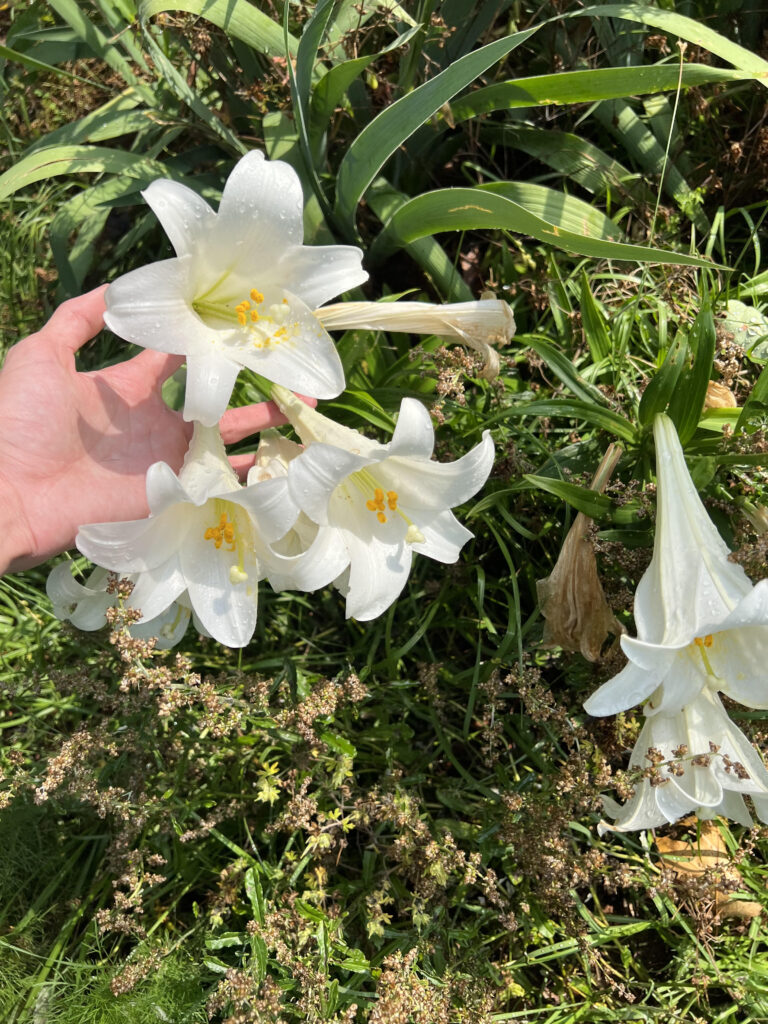
Lilies are among the most elegant and versatile flowers you can grow in your garden. With their vibrant colors and striking shapes, they add a touch of sophistication to any outdoor space. Whether you’re a seasoned gardener or a beginner, cultivating lilies can be both rewarding and enjoyable. Here’s a comprehensive guide to help you grow these stunning blooms.
Choosing the Right Lilies for Your Garden
Lilies come in a variety of types, each offering unique characteristics. The most popular categories include:
- Asiatic Lilies: Known for their bright, cheerful colors and lack of fragrance, these are the easiest to grow and thrive in almost any condition.
- Oriental Lilies: Highly fragrant and often larger than Asiatic varieties, they bloom later in the season.
- Trumpet Lilies: Renowned for their long, tubular flowers and sweet fragrance, they make an impressive statement.
- Martagon Lilies: With their downward-facing, Turk’s cap-shaped blooms, they are perfect for shaded areas.
Choosing the right lily for your climate and garden conditions is crucial. Ensure you select bulbs labeled for your USDA hardiness zone.
Preparing the Soil
Lilies thrive in well-draining, fertile soil. Here are some tips:
- Soil Testing: Test the soil’s pH to ensure it is slightly acidic to neutral (6.0-7.0).
- Amending the Soil: Add organic matter, such as compost or well-rotted manure, to improve fertility and drainage.
- Location: Choose a sunny spot, as most lilies require at least 6 hours of direct sunlight daily. However, some types, like Martagon lilies, can tolerate partial shade.
Planting Lily Bulbs
Timing is key when planting lilies. Fall and early spring are the best times to plant bulbs. Follow these steps:
- Digging Holes: Dig holes 6-8 inches deep and space them about 12 inches apart.
- Placing the Bulbs: Place each bulb with its pointed end facing up. Cover with soil and gently firm it down.
- Watering: Water thoroughly after planting to settle the soil around the bulbs.
Caring for Lilies
Proper care ensures healthy plants and vibrant blooms. Here are essential care tips:
- Watering: Keep the soil consistently moist but not soggy. Water deeply once a week during dry spells.
- Mulching: Apply a layer of mulch to regulate soil temperature and retain moisture.
- Fertilizing: Use a balanced, slow-release fertilizer during the growing season to encourage strong growth and blooms.
- Staking: Tall lily varieties may need staking to prevent them from toppling over in wind or rain.
Pest and Disease Management
While lilies are relatively low-maintenance, they can be affected by pests and diseases:
- Pests: Lily beetles and aphids are common problems. Hand-pick pests or use insecticidal soap for control.
- Diseases: Watch out for fungal issues like botrytis blight. Ensure good air circulation and avoid overhead watering to prevent infections.
Extending Bloom Time
To enjoy lilies for as long as possible:
- Succession Planting: Plant bulbs at intervals to stagger bloom times.
- Deadheading: Remove spent flowers to encourage the plant to focus energy on bulb growth rather than seed production.
- Overwintering: In colder climates, mulch heavily after the first frost or dig up bulbs for storage indoors.
Conclusion
Growing lilies is a fulfilling gardening endeavor that rewards you with breathtaking blooms year after year. By following the steps outlined above, you can create a garden brimming with these iconic flowers.