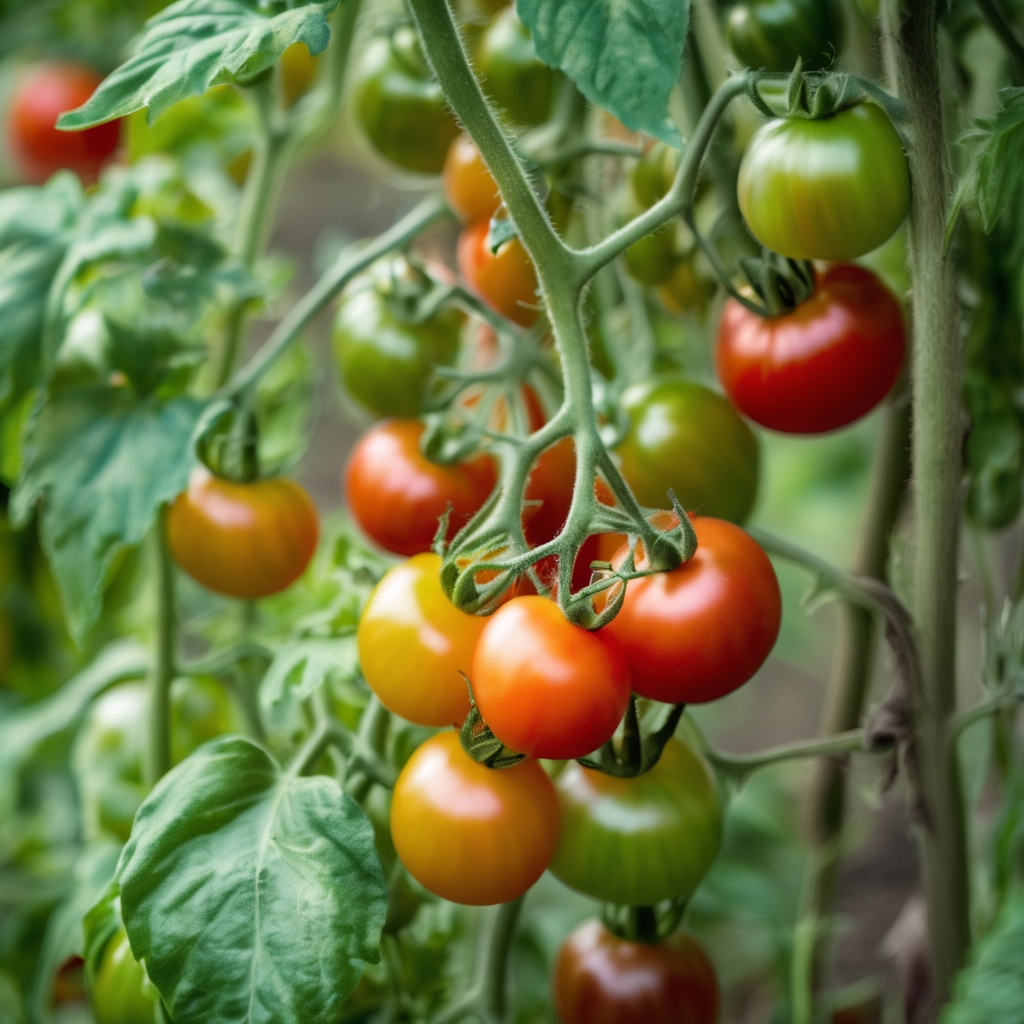
Tomatoes are one of the most popular crops for home gardeners, celebrated for their vibrant flavors and versatility. However, growing nutrient-rich, flavorful tomatoes requires careful attention to their nutritional needs. This guide explores the best practices for adding nutrients to tomato plants, helping you achieve a bountiful harvest
Understanding Tomato Nutritional Needs
omatoes are heavy feeders, meaning they require a rich and balanced nutrient supply to thrive. Their primary nutritional needs are:
Nitrogen (N): Promotes leafy growth, but excessive nitrogen can lead to lush foliage at the expense of fruit production.
Phosphorus (P): Supports root development and flowering, essential for setting fruit.
Potassium (K): Enhances overall plant health and fruit quality, improving resistance to disease and stress.
Micronutrients: Elements like calcium, magnesium, and iron are vital for preventing disorders like blossom-end rot and promoting healthy growth.
When and How to Add Nutrients
1. Before Planting: Prepare the Soil
Test Your Soil: Conduct a soil test to determine pH and nutrient levels. Tomatoes thrive in slightly acidic soil with a pH of 6.0–6.8 University of Minnesota Extension.
Amend the Soil: Add compost or well-rotted manure to enrich organic matter. Incorporate bone meal for phosphorus and wood ash for potassium, ensuring a good foundation for growth UCANR
.
2. At Planting: Starter Fertilizer
Use a balanced fertilizer like 10-10-10 (NPK) or one with a slight emphasis on phosphorus for root establishment. Apply it to the planting hole before placing your seedlings Burpee Gardening.
3. Throughout the Growing Season: Regular Feeding
Early Growth (Nitrogen Boost): Apply a nitrogen-rich fertilizer or fish emulsion during the vegetative stage to support foliage development.
Flowering and Fruiting (Phosphorus and Potassium): Switch to fertilizers with higher phosphorus and potassium levels, such as 5-10-10, to encourage blossoms and fruit set.
Calcium Supplementation: Prevent blossom-end rot by adding calcium through lime or calcium nitrate Bonnie Plants.
Organic Nutrient Options
Organic gardeners can achieve similar results with natural amendments:
Compost Tea: A nitrogen-rich liquid made from steeping compost, ideal for foliar feeding.
Banana Peels: Buried near roots, they release potassium and phosphorus.
Eggshells: Crushed eggshells add calcium to the soil, reducing the risk of blossom-end rot.
Epsom Salt: Provides magnesium, essential for photosynthesis and fruit development Gardener’s Path.
Signs of Nutrient Deficiencies
To ensure optimal growth, monitor your tomatoes for signs of deficiencies:
Nitrogen Deficiency: Yellowing leaves and stunted growth.
Phosphorus Deficiency: Purplish leaf undersides and delayed flowering.
Potassium Deficiency: Yellowing leaf edges and poor fruit development The Old Farmer’s Almanac.
Conclusion
Adding nutrients to your tomatoes is a straightforward yet vital step in ensuring a successful harvest. By understanding their needs and supplying the right nutrients at the right time, you can grow robust plants that yield delicious, nutrient-dense fruits.
For more tips on growing healthy tomatoes, follow trusted gardening resources or reach out to local agricultural extensions.