Grow Beautiful Flowers to Attract Pollinators and Boost Your Garden’s Health
A thriving garden isn’t just about vegetables, fruits, or lush greenery. It’s about creating an ecosystem that supports life—and pollinators are at the heart of it all. Bees, butterflies, hummingbirds, and other pollinators ensure that plants reproduce, making them essential for any flourishing garden. One of the best ways to attract these little helpers is by growing flowers specifically for pollination.
Here’s how you can grow flowers that support pollinators and enhance your garden’s productivity.
Why Pollinators Matter
Pollinators play a crucial role in gardens, transferring pollen from one plant to another to enable fertilization. Without them, fruiting plants may fail to bear produce, and biodiversity would suffer. Inviting pollinators into your garden also supports local ecosystems, improving the health and vibrancy of the area.
Choosing the Right Flowers
When selecting flowers for pollination, opt for varieties that provide nectar and pollen-rich blooms. Consider these tips:
Native Plants: Native flowers are naturally adapted to your region’s climate and soil, making them more attractive and accessible to local pollinators.
Diverse Blooms: Plant a mix of flower shapes, sizes, and colors to cater to a wide range of pollinators.
Seasonal Blooms: Choose flowers that bloom at different times throughout the year to provide a consistent food source.
Great choices include sunflowers, lavender, marigolds, zinnias, and milkweed.
How to Create a Pollinator-Friendly Garden
Skip the Pesticides Pesticides can harm pollinators. Instead, rely on natural methods to manage pests, such as companion planting and introducing beneficial insects.
Provide Shelter Pollinators need more than just food—they also require safe spaces to rest and nest. Plant shrubs or grasses, or add bee houses to encourage them to stick around.
Water Sources Set out shallow dishes of water with small rocks or floating materials to give pollinators a safe place to drink.
Cluster Your Flowers Plant flowers in clusters, as pollinators are drawn to large patches of color and scent. This makes it easier for them to gather nectar and pollen without traveling far.
Benefits of a Pollinator-Friendly Garden
Increased Yield: Fruits and vegetables will flourish with better pollination.
Balanced Ecosystem: Pollinators bring harmony, supporting pest control naturally.
Aesthetic Appeal: A garden full of flowers and active pollinators is both beautiful and lively.
Flowers That Pollinators Love
Flower
Best For
Additional Benefits
Sunflowers
Bees, butterflies, birds
Seeds attract birds and wildlife
Milkweed
Monarch butterflies
Supports endangered species
Lavender
Bees, hummingbirds
Fragrant and medicinal
Zinnias
Butterflies, bees
Long bloom season
Coneflowers
Bees, butterflies, birds
Drought-resistant
Conclusion
Cultivating flowers for pollinators is one of the most impactful ways to support your garden and the environment. By creating a haven for bees, butterflies, and other pollinators, you’ll reap the rewards of a vibrant, fruitful garden filled with life and beauty. Start planting today and watch as your garden becomes a sanctuary for nature’s tiny heroes.
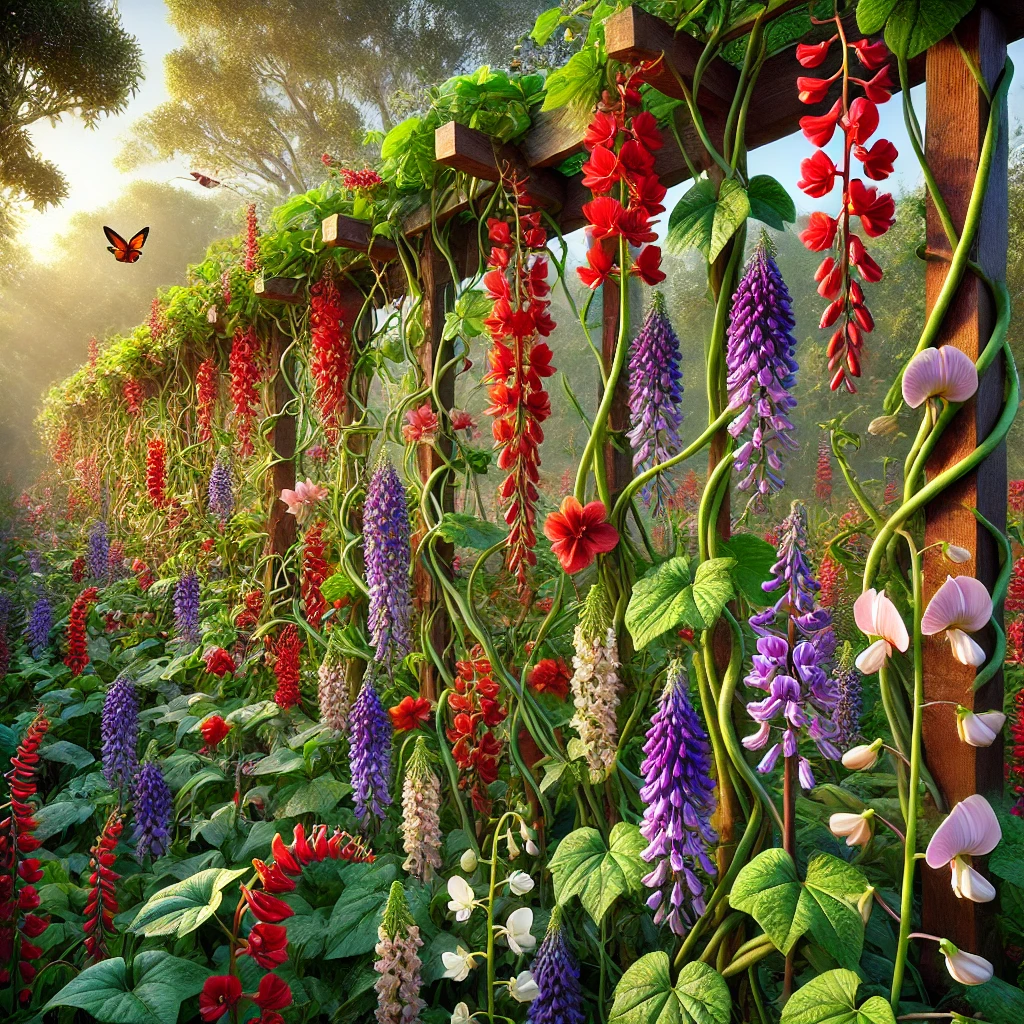
Growing Beans for Their Flowers: A Beautiful and Functional Addition to Your Garden Beans are traditionally cultivated for their nutritious pods or seeds, but their ornamental value is often overlooked. The flowers of many bean varieties offer vibrant colors, unique shapes, and pollinator-friendly benefits that make them a standout addition to any garden. Whether you’re […]
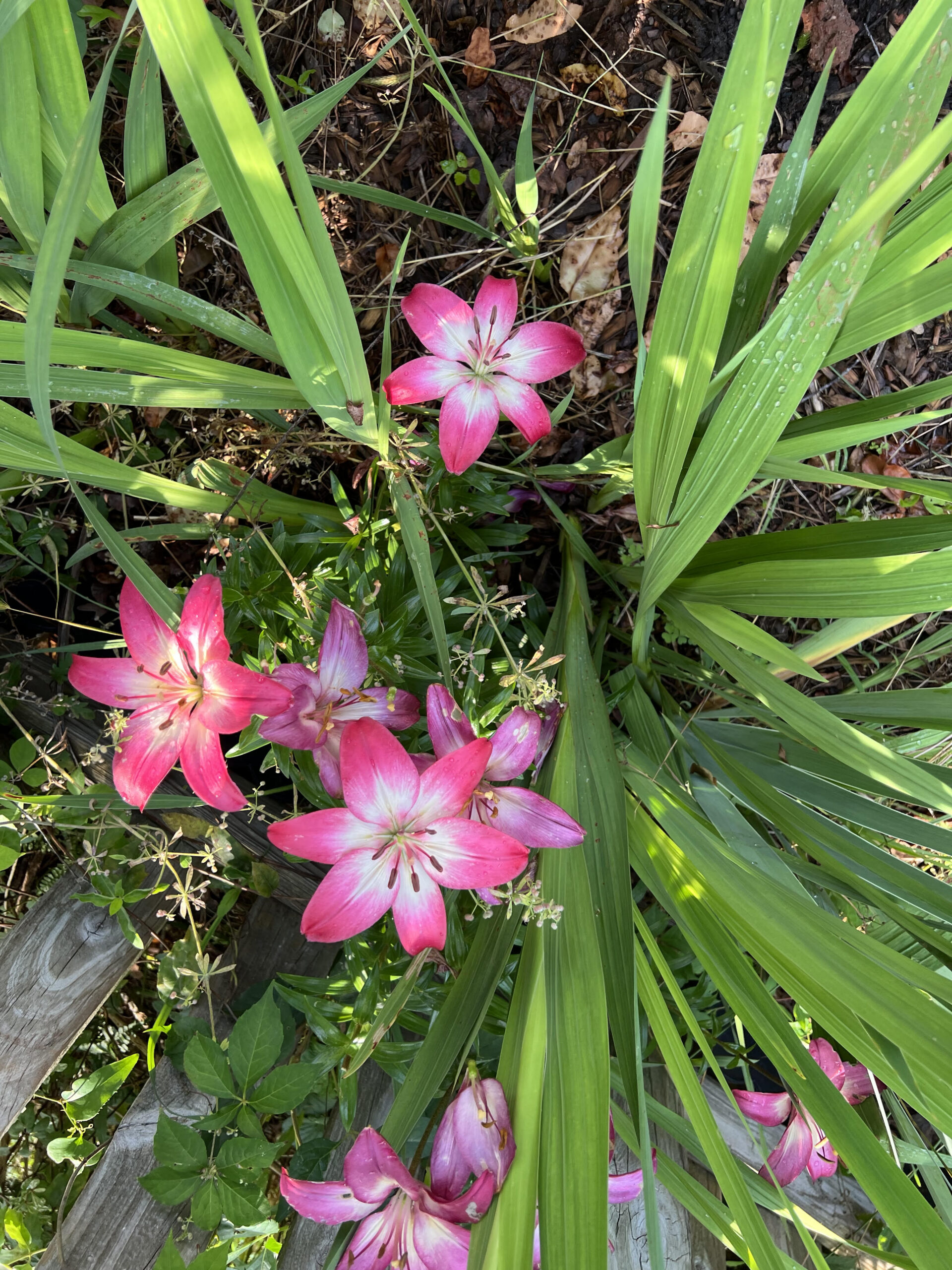
Growing Lily Flowers in Your Garden Lilies are among the most elegant and versatile flowers you can grow in your garden. With their vibrant colors and striking shapes, they add a touch of sophistication to any outdoor space. Whether you’re a seasoned gardener or a beginner, cultivating lilies can be both rewarding and enjoyable. Here’s […]
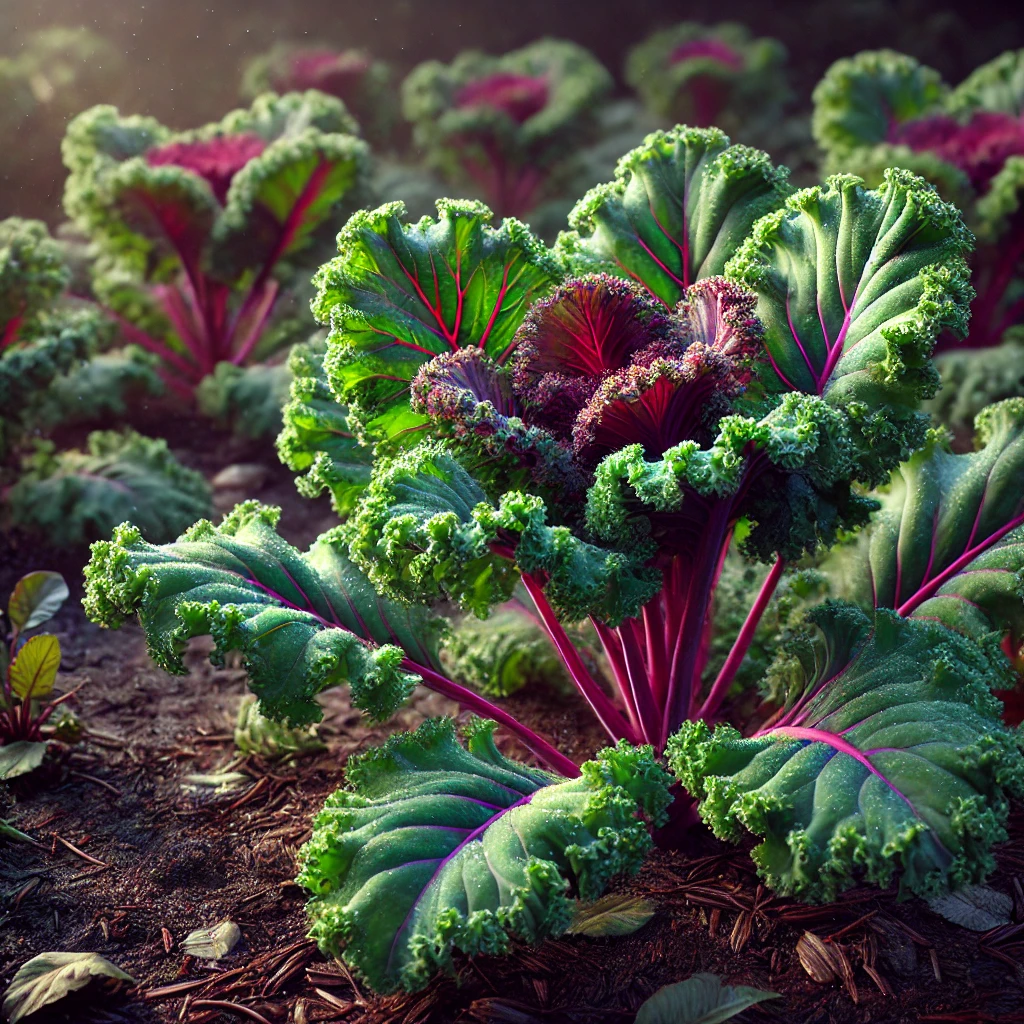
How to Grow Russian Kale in Your Garden Russian kale, with its frilly edges and tender leaves, is a cold-hardy vegetable that belongs in every home garden. This versatile leafy green thrives in various conditions, offers excellent nutritional value, and is relatively easy to grow. Whether you’re an experienced gardener or a beginner, Russian kale […]
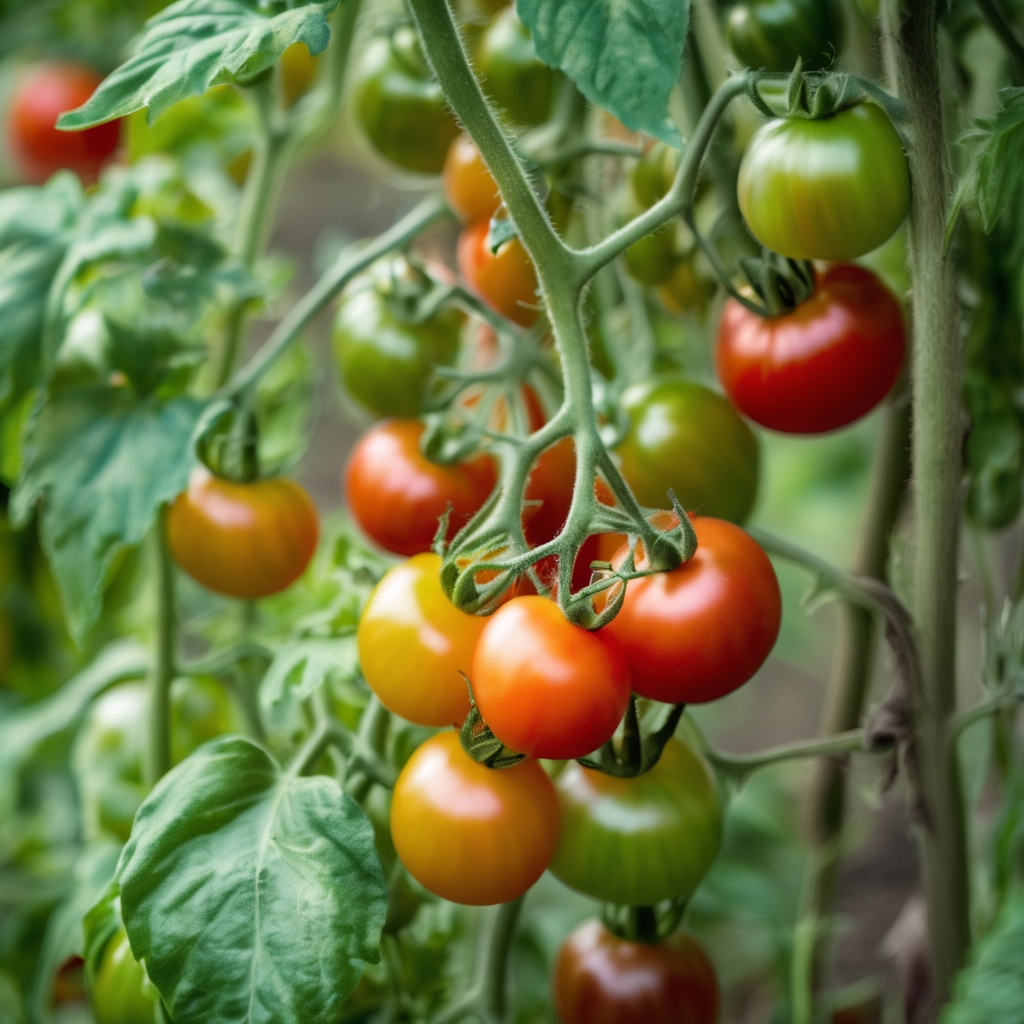
Using Cages to Help Grow Tomatoes in the Garden Tomato plants are a favorite for gardeners, but they require proper support to thrive, especially as they grow larger and begin to produce heavy fruit. One of the simplest and most effective methods of support is using tomato cages. These structures not only help the plant […]
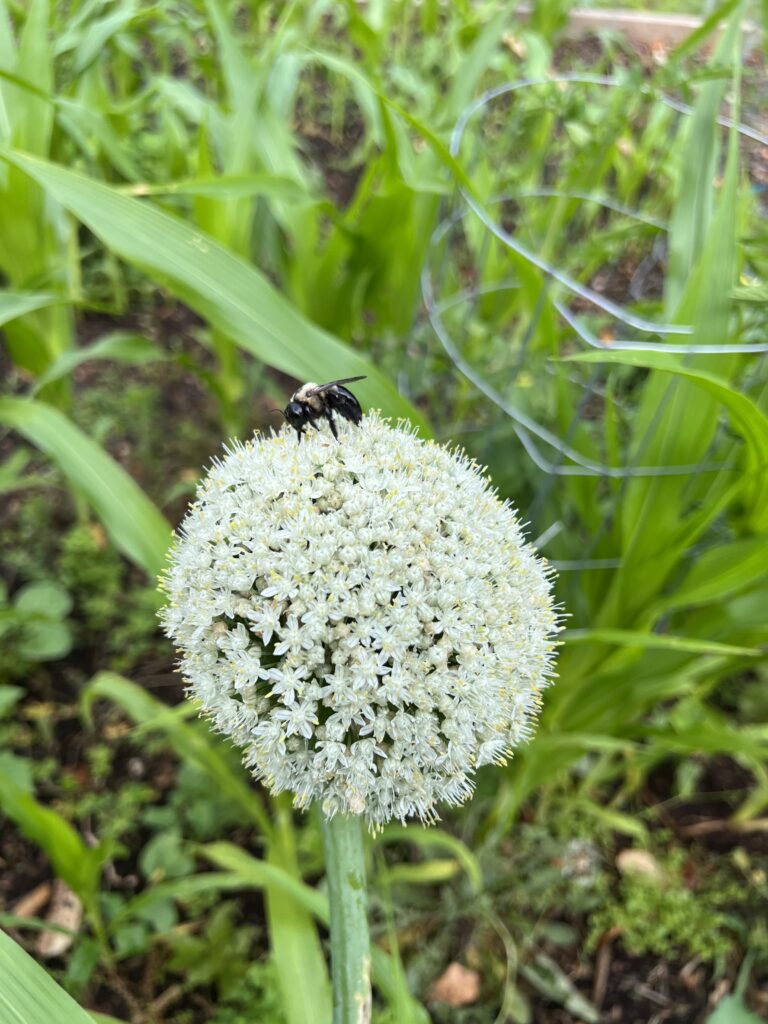
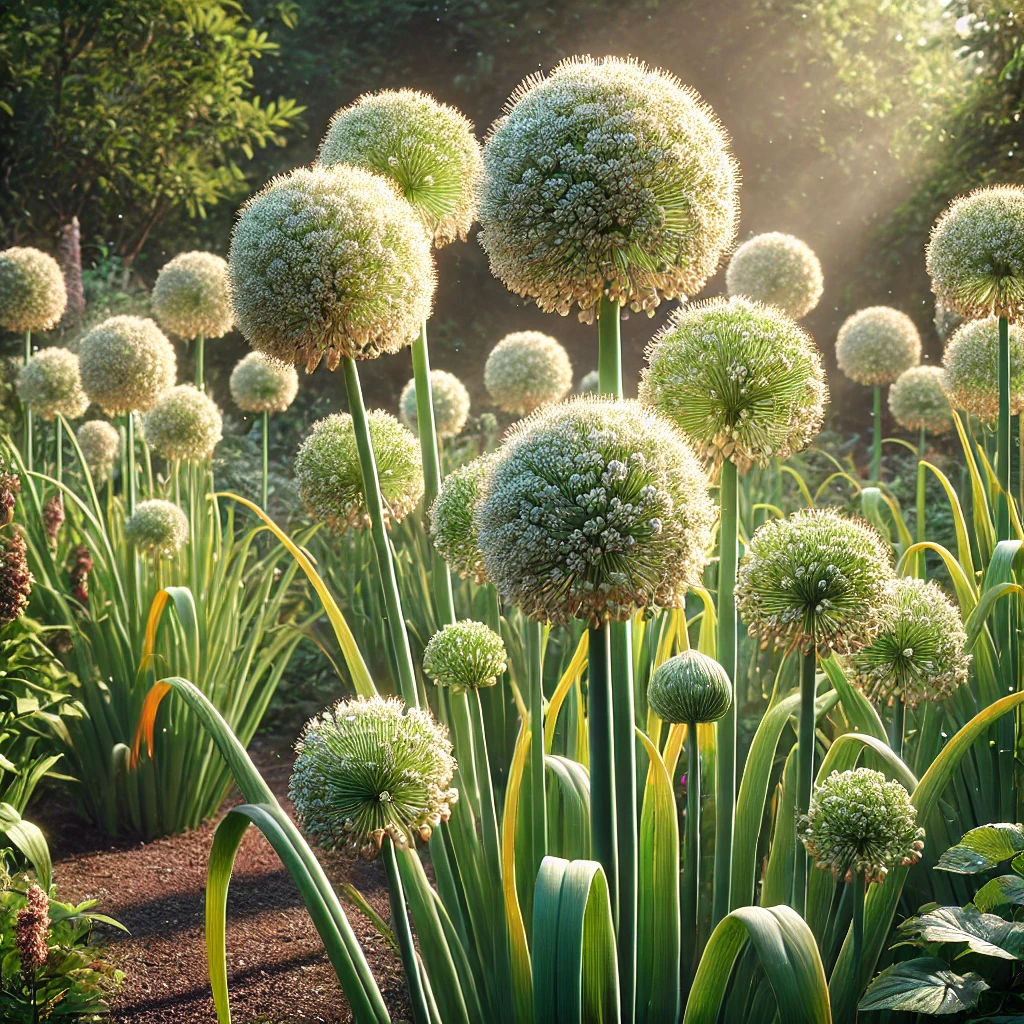
Onion Flowers: What They Are and Their Benefits for Seed Production Onions (Allium cepa) are a staple in gardens and kitchens worldwide. While most gardeners grow onions for their bulbs, the flowers these plants produce are equally fascinating and beneficial for seed production. Understanding onion flowers and their role in seed harvesting can add a […]
Tomatoes are one of the most popular crops for home gardeners, celebrated for their vibrant flavors and versatility. However, growing nutrient-rich, flavorful tomatoes requires careful attention to their nutritional needs. This guide explores the best practices for adding nutrients to tomato plants, helping you achieve a bountiful harvest Understanding Tomato Nutritional Needs omatoes are heavy […]