Onion Flowers: What They Are and Their Benefits for Seed Production
Onions (Allium cepa) are a staple in gardens and kitchens worldwide. While most gardeners grow onions for their bulbs, the flowers these plants produce are equally fascinating and beneficial for seed production. Understanding onion flowers and their role in seed harvesting can add a new dimension to your gardening efforts.
What Are Onion Flowers?
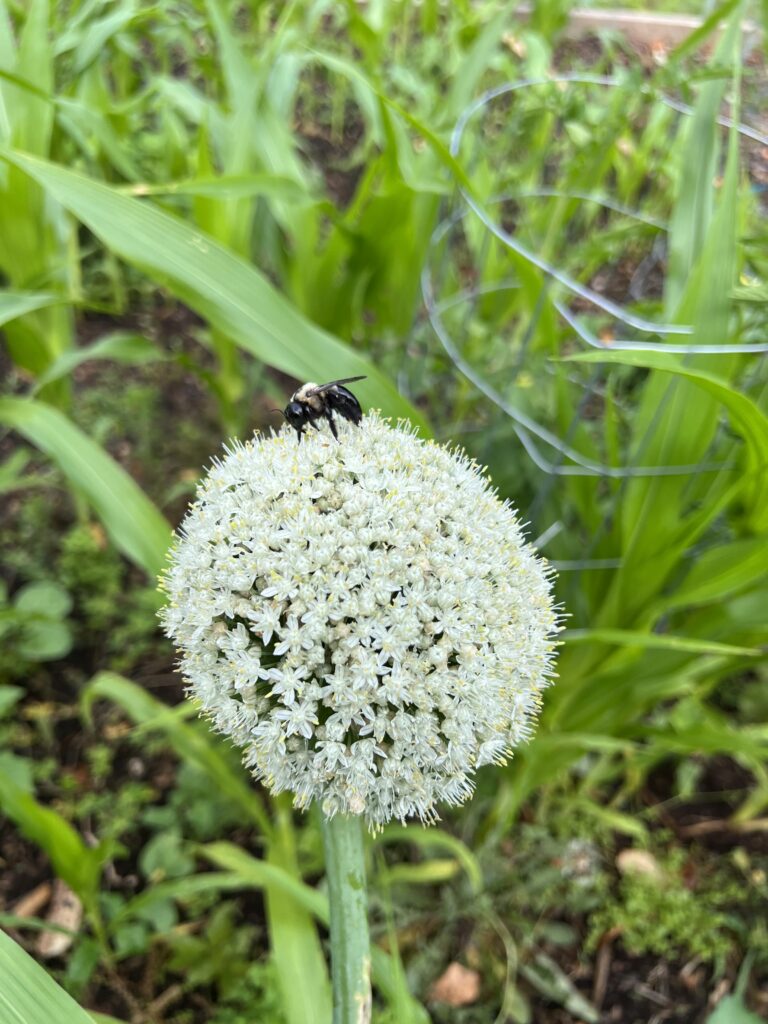
Onion flowers are the reproductive structures that appear on mature onion plants during their second growing season. Known as umbels, these flowers are small and cluster together in a round, globe-like shape atop a tall stalk. The development of flowers is a natural part of the onion’s biennial lifecycle, which involves vegetative growth in the first year and flowering and seed production in the second (Gardening Know How).
The Benefits of Onion Flowers
- Seed Production Onion flowers are essential for growing onion seeds. Once pollinated, the flowers produce seed pods that mature and dry over time. Collecting these seeds allows gardeners to grow onions year after year, reducing dependence on store-bought seeds and preserving heirloom varieties (The Spruce).
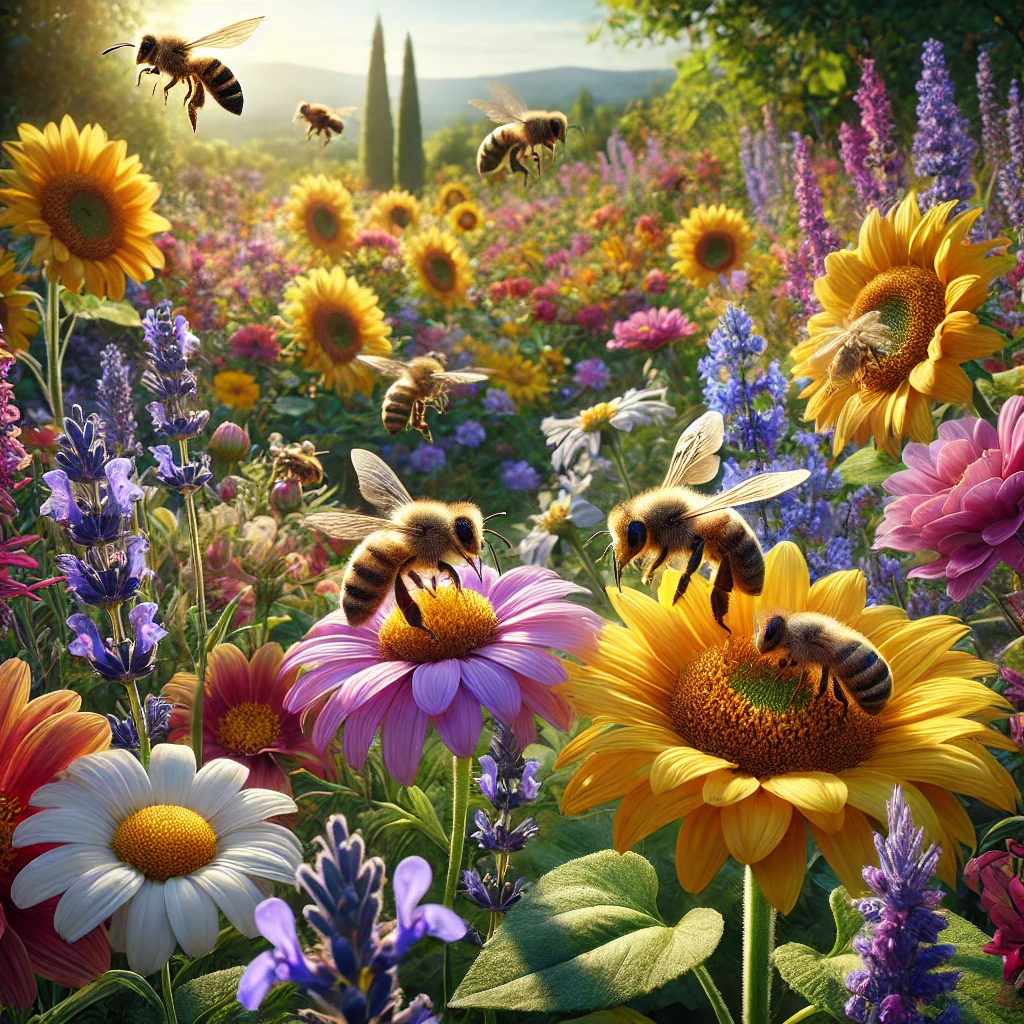
- Pollinator Attraction Onion flowers are highly attractive to pollinators such as bees and butterflies. These beneficial insects not only aid in pollinating onion flowers but also contribute to the overall health of your garden ecosystem (Better Homes & Gardens).
- Biodiversity Support Allowing onions to flower and set seed contributes to biodiversity in your garden. The presence of flowering plants supports a variety of insects and helps maintain ecological balance (Gardener’s Path).
How to Grow Onions for Seeds
- Choose the Right Variety: Select open-pollinated or heirloom onion varieties to ensure true-to-type seeds.
- Let Them Overwinter: Onions are biennials, so you’ll need to leave the plants in the ground over winter or plant in early spring for a second-season bloom.
- Provide Support: Flowering onion stalks can grow tall and may need staking to prevent them from bending or breaking.
- Harvest Seeds: Once the flowers have dried and the seed pods have matured, cut the stalks and gently shake out the seeds into a container. Store the seeds in a cool, dry place for future planting.
Conclusion
Onion flowers are more than just a beautiful addition to your garden. They play a crucial role in sustainable gardening by enabling seed production, attracting pollinators, and supporting biodiversity. By allowing a portion of your onion crop to flower, you can reap these benefits and contribute to a healthier garden environment.