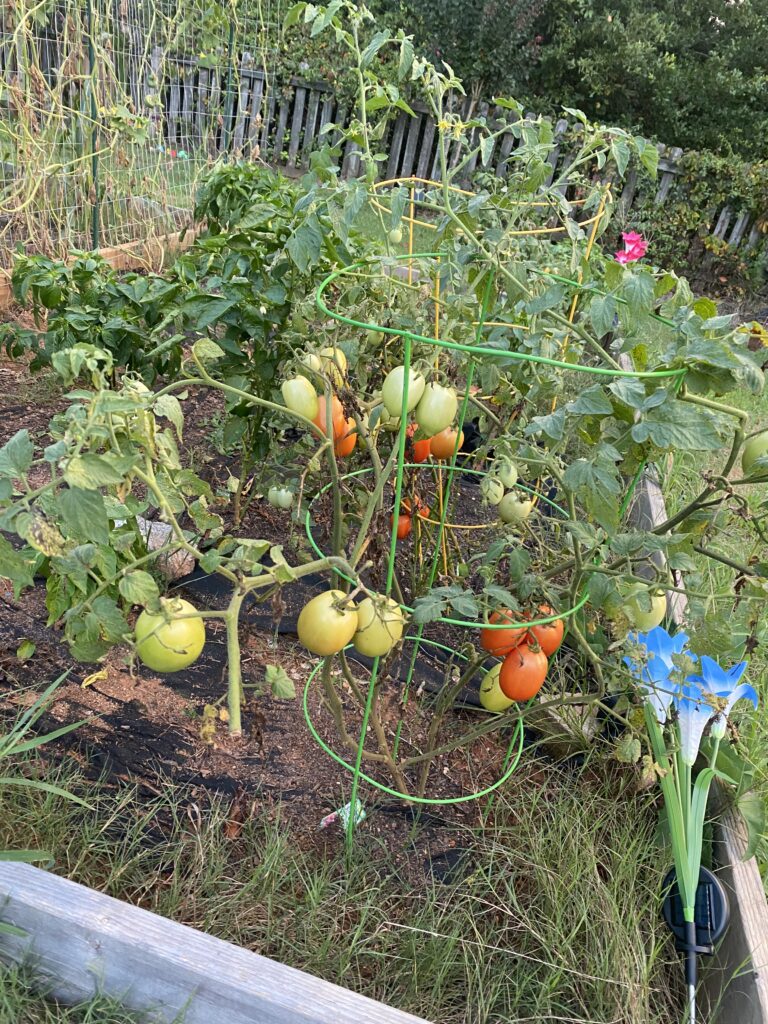
Tomato plants are a favorite for gardeners, but they require proper support to thrive, especially as they grow larger and begin to produce heavy fruit. One of the simplest and most effective methods of support is using tomato cages. These structures not only help the plant stay upright but also prevent the fruit from touching the ground, improving air circulation and reducing the risk of disease.
Benefits of Using Tomato Cages
Improved Plant Health Tomato cages are great for keeping your plants upright and off the ground. By elevating the plant, the cage helps reduce the likelihood of issues like rot, as the fruit remains cleaner and drier. This support also enhances air circulation, reducing the chances of fungal diseases and mildew.
Ease of Maintenance Cages are a low-maintenance option compared to other support methods like staking or trellising. Once you set the cage around the plant, the plant grows naturally within the structure, and minimal intervention is needed beyond occasional pruning. This makes cages a perfect choice for beginner gardeners or those who prefer less hands-on maintenance.
Suitable for Determinate Varieties Tomato cages are particularly well-suited for determinate (bush) varieties of tomatoes, which grow to a fixed size. These plants do not require as much vertical space or constant pruning, making the compact nature of cages ideal. However, indeterminate varieties (those that continue growing and producing throughout the season) can also benefit from larger, sturdier cages.
Building Your Own Tomato Cages
While store-bought cages are available, they may not always fit your needs. Many gardeners opt to build their own custom cages using materials like concrete reinforcement wire or wire mesh. For a sturdy, durable cage, choose wire with openings around 6 inches and ensure the height is sufficient to support the full height of your plant. The ideal size for a cage is about 18 inches in diameter and 5 feet tall, with stakes or legs to keep the cage stable in the ground.
Tips for Using Tomato Cages
Placement Place the cage around your tomato plant early in the growing season, ideally when the plant is still young. This prevents disturbing the roots later on and helps the plant grow within the confines of the cage.
Stability Ensure the cage is securely anchored into the ground. If you live in an area prone to strong winds, you may want to add extra stakes to the cage for added stability.
Pruning For indeterminate varieties, you may need to periodically prune your plants to keep them within the confines of the cage and encourage healthy growth.
Conclusion
Using tomato cages is a straightforward and efficient way to support your tomato plants. Whether you’re a beginner gardener or a seasoned pro, this simple technique helps keep your plants healthy, reduces the risk of disease, and makes harvesting easier. With the right materials and setup, tomato cages can be an invaluable addition to your garden, ensuring your plants grow strong and produce bountiful crops.
Grow Beautiful Flowers to Attract Pollinators and Boost Your Garden’s Health A thriving garden isn’t just about vegetables, fruits, or lush greenery. It’s about creating an ecosystem that supports life—and pollinators are at the heart of it all. Bees, butterflies, hummingbirds, and other pollinators ensure that plants reproduce, making them essential for any flourishing garden. […]
Growing Beans for Their Flowers: A Beautiful and Functional Addition to Your Garden Beans are traditionally cultivated for their nutritious pods or seeds, but their ornamental value is often overlooked. The flowers of many bean varieties offer vibrant colors, unique shapes, and pollinator-friendly benefits that make them a standout addition to any garden. Whether you’re […]
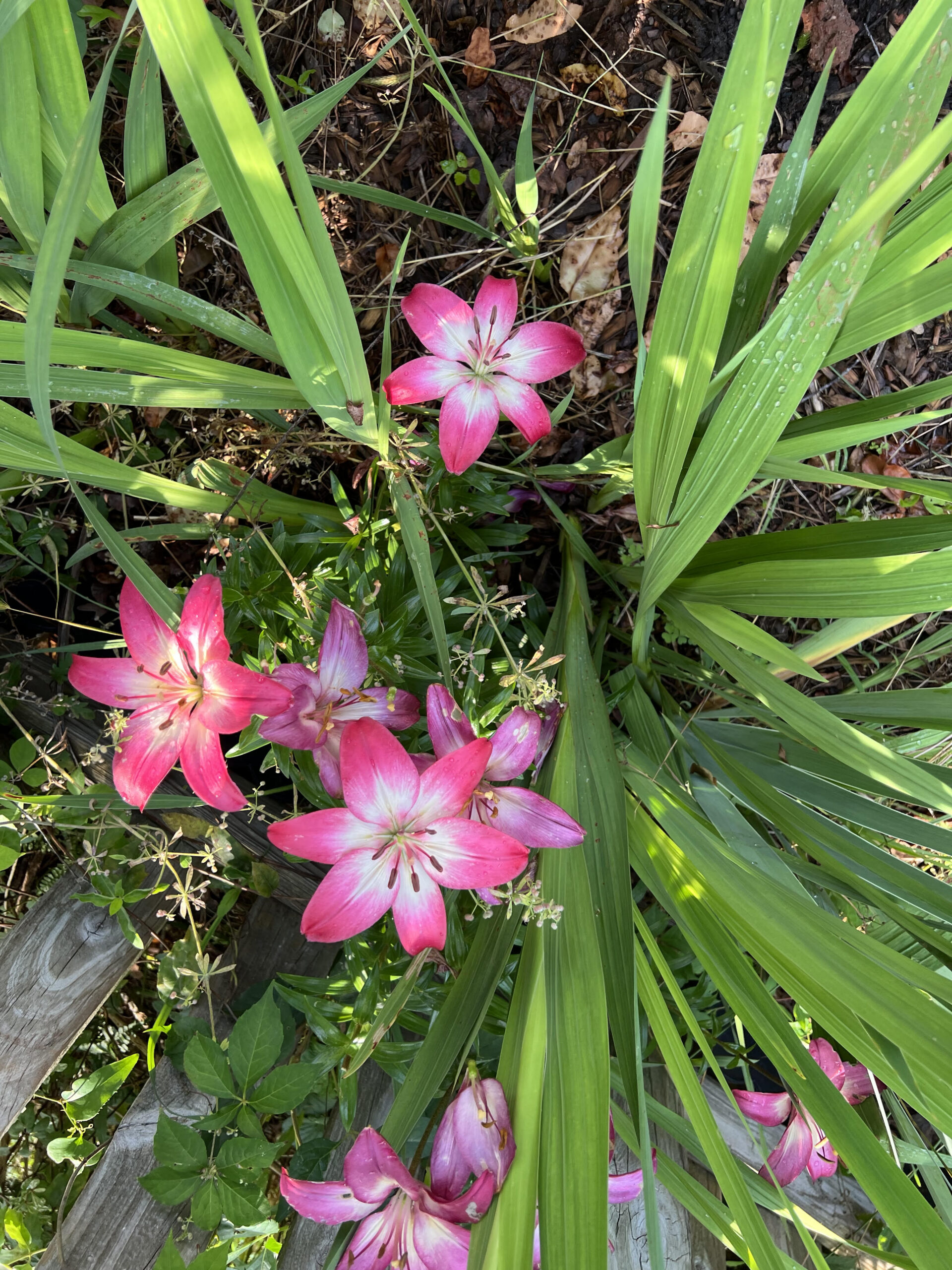
Growing Lily Flowers in Your Garden Lilies are among the most elegant and versatile flowers you can grow in your garden. With their vibrant colors and striking shapes, they add a touch of sophistication to any outdoor space. Whether you’re a seasoned gardener or a beginner, cultivating lilies can be both rewarding and enjoyable. Here’s […]
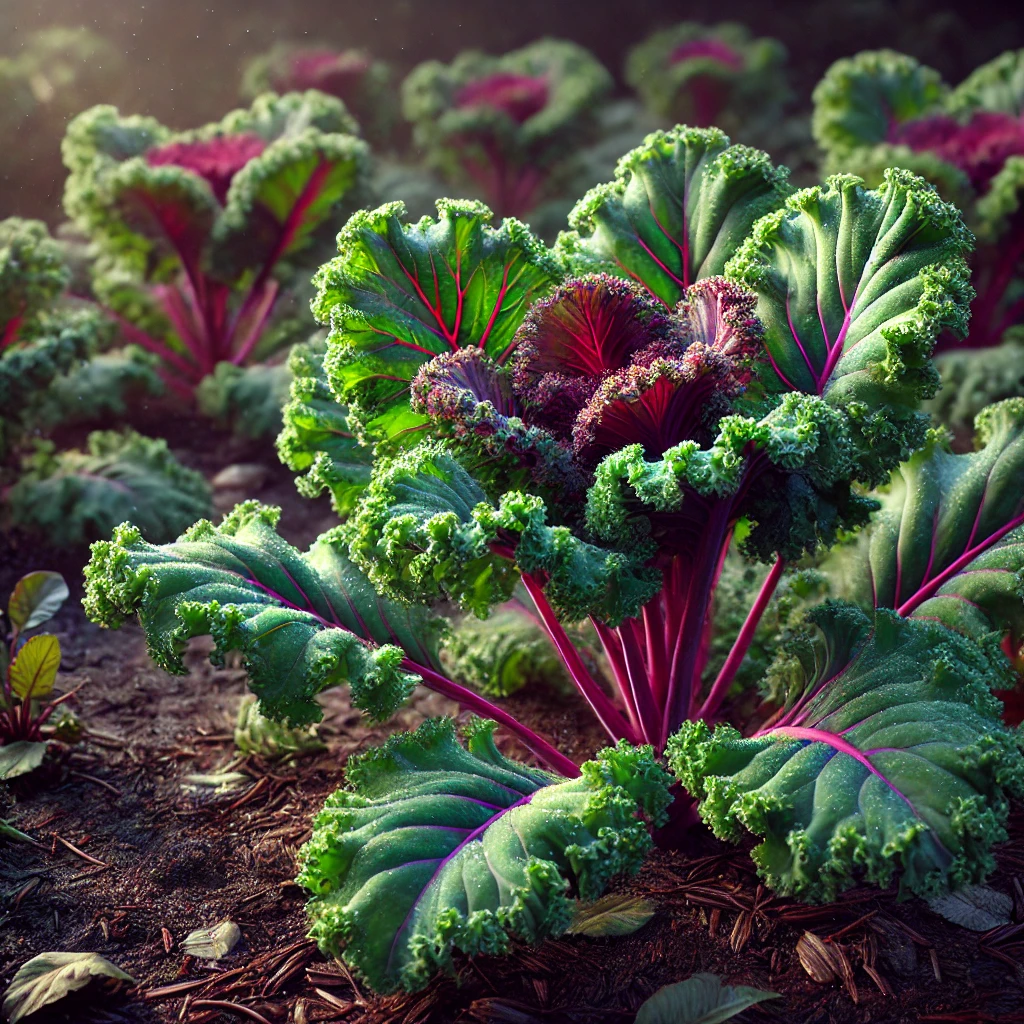
How to Grow Russian Kale in Your Garden Russian kale, with its frilly edges and tender leaves, is a cold-hardy vegetable that belongs in every home garden. This versatile leafy green thrives in various conditions, offers excellent nutritional value, and is relatively easy to grow. Whether you’re an experienced gardener or a beginner, Russian kale […]
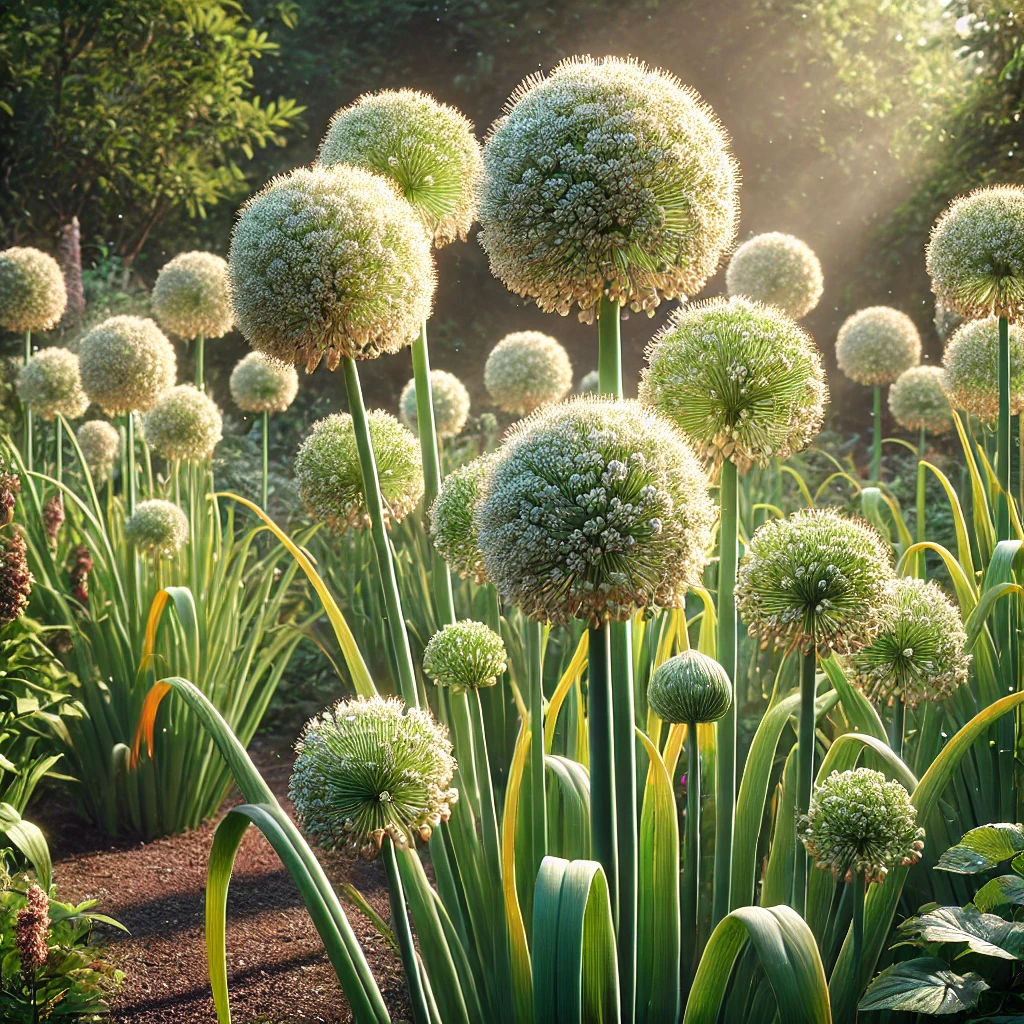
Onion Flowers: What They Are and Their Benefits for Seed Production Onions (Allium cepa) are a staple in gardens and kitchens worldwide. While most gardeners grow onions for their bulbs, the flowers these plants produce are equally fascinating and beneficial for seed production. Understanding onion flowers and their role in seed harvesting can add a […]
Tomatoes are one of the most popular crops for home gardeners, celebrated for their vibrant flavors and versatility. However, growing nutrient-rich, flavorful tomatoes requires careful attention to their nutritional needs. This guide explores the best practices for adding nutrients to tomato plants, helping you achieve a bountiful harvest Understanding Tomato Nutritional Needs omatoes are heavy […]